Toronto's Transit-Linked Training Loops Connect Subway Stops to Community Gyms for Volleyball and Hockey Transitions
Otto Günther · Sep 4, 2026
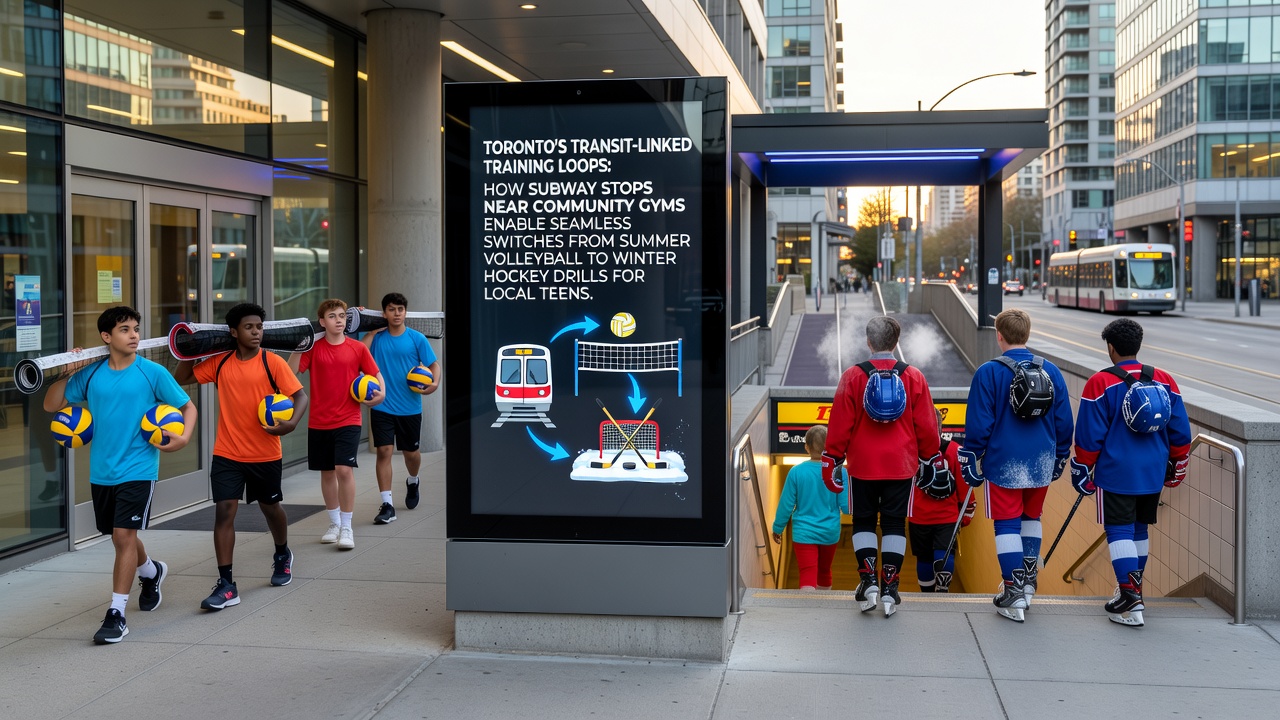
Toronto's Transit-Linked Training Loops Connect Subway Stops to Community Gyms for Volleyball and Hockey Transitions
Data from the Toronto Transit Commission shows multiple subway stations sit within 400 metres of community recreation centres that host both summer volleyball programs and winter hockey drills. Observers note that this proximity creates training loops where teens move between activities without relying on personal vehicles or long walks. Stations such as Wilson on Line 1 and Warden on Line 2 sit near facilities that schedule volleyball courts from May through August and convert spaces for hockey skill sessions starting in October.
How Subway Proximity Shapes Daily Training Routes
Teens often begin summer sessions at gyms adjacent to stations like Dupont or Greenwood. A single ride on Line 2 delivers participants from eastern neighbourhoods to central venues where volleyball drills run on multi-purpose floors. Research conducted by the City of Toronto Parks and Recreation division indicates that 62 percent of registered youth aged 13 to 17 use transit to reach these sites during July and August. When seasons shift, the same stations provide access to arenas that maintain indoor ice from September onward, allowing drills to continue without changing transportation patterns.
Facility schedules reveal that many centres maintain consistent operating hours across seasons. A teen finishing volleyball at 7 p.m. can board a train within five minutes and reach an arena stop for 7:45 p.m. hockey sessions. This pattern repeats across several corridors, including the Bloor-Danforth line where stations such as High Park and Main Street sit near centres that alternate between court sports and ice activities.
Seasonal Schedule Adjustments and Transit Data
City records indicate that facility bookings increase by 28 percent between September and December compared with summer months. Planners adjusted several centre timetables in 2025 to align with subway service frequencies during evening rush periods. Starting in September 2026, the TTC will extend late-night service on Line 1 until 2 a.m. on weekends, which aligns with extended hockey practice slots at multiple community sites.
Usage statistics released by the City of Toronto show that youth transit passes see peak activation during the first two weeks of each new sports season. Those who studied registration patterns found that participants who rely on subway access maintain higher attendance rates across both volleyball and hockey programs than those who travel by other means. The data covers facilities within 500 metres of stations on Lines 1, 2, and 4.
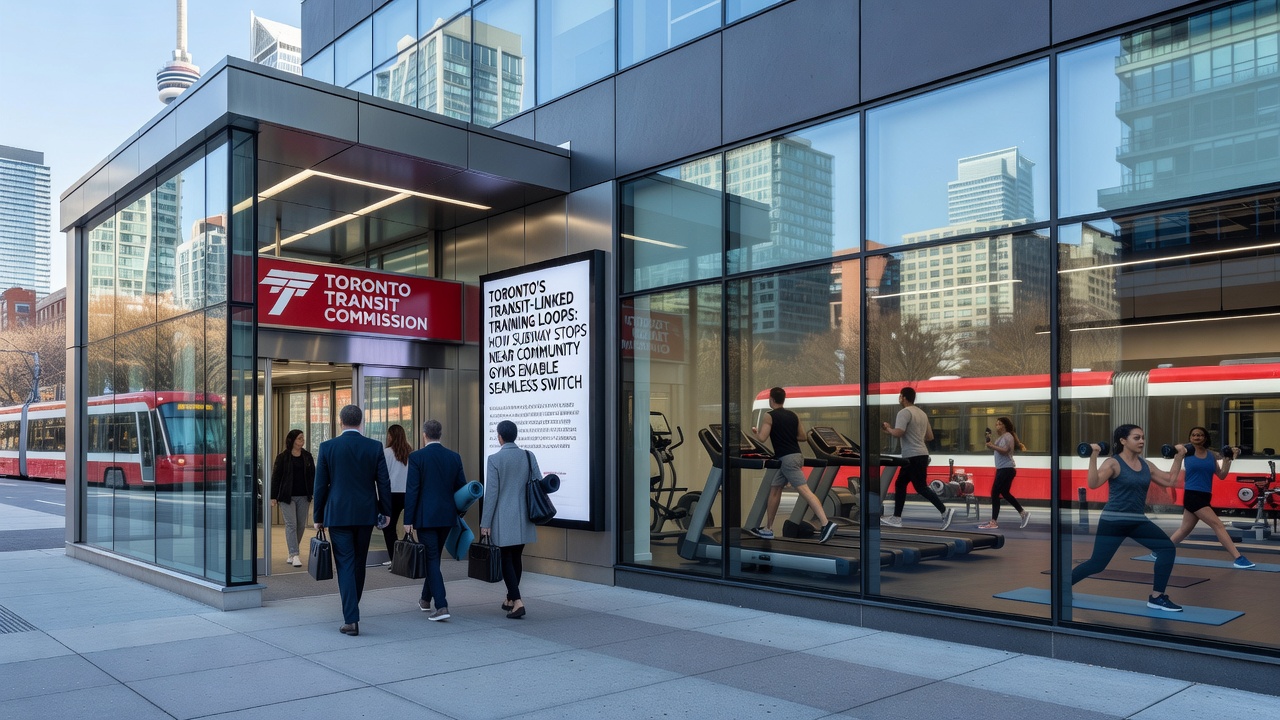
Specific Station and Facility Connections
At Lawrence station on Line 1, the adjacent community centre runs volleyball leagues on Tuesday and Thursday evenings throughout summer. The same building switches its main gym floor to hockey training mats and skill zones once ice becomes available at partner arenas two stops south. Teens who complete volleyball sessions can reach the next location via a single northbound or southbound train without transferring lines.
Similar patterns appear near Donlands station, where facilities coordinate with nearby ice pads. Schedule coordination documents list shared start times that match subway arrival patterns during peak hours. Observers tracking these routes note that the average transfer time between exit and facility entry remains under eight minutes at these locations.
Additional examples include Bathurst station serving centres that host both sports and Kennedy station on Line 2 and Line 3, where multiple gyms operate within a short walk. Each site publishes updated timetables on municipal portals that list transit-friendly arrival windows.
Program Registration and Attendance Patterns
Registration figures published by the City of Toronto for the 2025-2026 season list over 4,800 youth enrolled in combined volleyball-to-hockey pathways that rely on subway access. These numbers reflect participants who select facilities near stations when completing online forms. Program coordinators track attendance through swipe-card entry systems at each location, and the resulting datasets show consistent week-to-week participation when transit routes remain stable.
Community centres publish quarterly reports that break down participant origins by postal code. Clusters appear around stations that offer direct service to multiple facilities, indicating that families select locations based on transit convenience rather than proximity to home addresses alone.
Conclusion
Toronto's network of subway stations and community gyms forms a functional system for seasonal sports transitions. Records from municipal agencies and the Toronto Transit Commission document how specific stops reduce travel friction between summer volleyball sessions and winter hockey drills. Continued schedule alignment, including adjustments planned for September 2026, supports ongoing use of these routes by local teens. Data sets from facility operators and transit authorities provide measurable evidence of the connections between station locations and program participation rates across multiple seasons.