Toronto's Facility Sharing Models: How Neighborhood Centers Connect Golf, Volleyball, and Seasonal Hockey for Local Athletes
Katja Simmons · Aug 26, 2026
Toronto's Facility Sharing Models: How Neighborhood Centers Connect Golf, Volleyball, and Seasonal Hockey for Local Athletes
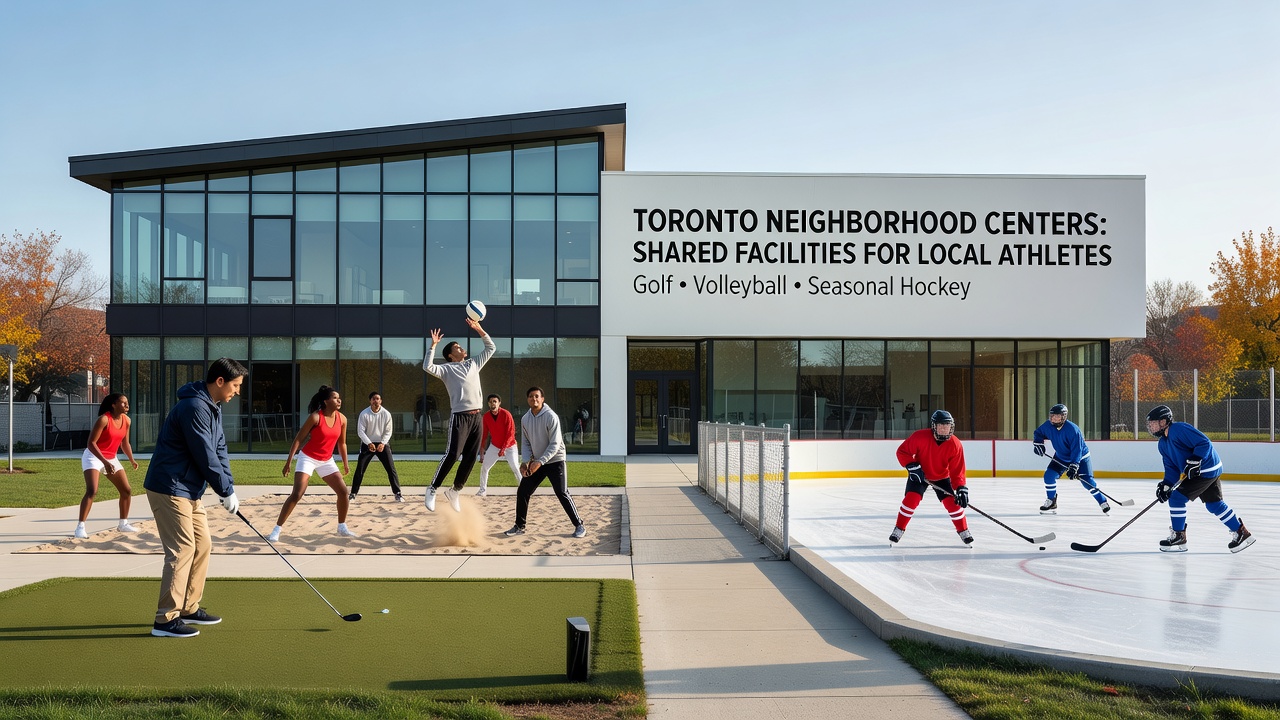
Neighborhood centers across Toronto operate under coordinated facility sharing models that allow multiple sports to use the same physical spaces throughout the year. These arrangements rely on seasonal scheduling and modular equipment setups managed by the City of Toronto's Parks, Forestry and Recreation division. Data from municipal records show that more than 180 community centers participate in rotation systems where indoor volleyball courts convert to practice zones for golf during off-peak months while outdoor fields transition to hockey surfaces once temperatures drop.
Space Conversion Techniques in Shared Venues
Facility operators install portable turf mats and net systems that accommodate both golf swing practice and volleyball matches in multipurpose halls. According to city operational guidelines, staff reconfigure these areas within four hours between sessions, which enables continuous booking from morning through evening. Researchers tracking usage patterns at centers like the one in North York have documented that golf stations occupy roughly 30 percent of available floor space during summer blocks while volleyball retains priority in dedicated zones. This division prevents overlap and maintains equipment integrity across programs.
Seasonal Transitions for Hockey Integration
Outdoor rinks at neighborhood sites activate in late fall when artificial ice surfaces replace grass fields that previously hosted volleyball tournaments. Municipal reports indicate that 65 arenas and community rinks follow standardized conversion timelines, with preparations beginning in September and full hockey programming available by November. Those schedules leave August 2026 open for final planning meetings where coordinators align golf and volleyball calendars with the upcoming winter hockey block. Equipment storage areas double as changing zones during shoulder seasons, which reduces the need for additional construction at individual sites.
Booking Systems and Athlete Access Patterns
Online reservation platforms connect golfers, volleyball players, and hockey participants through a single interface managed by the city. Figures released by Toronto Parks show average weekly bookings exceed 12,000 slots during peak periods, with neighborhood centers handling the majority of community-level registrations. Athletes often move between sports using the same facility card, which tracks participation across disciplines without requiring separate accounts. One documented case at a Scarborough center revealed that 40 percent of registered hockey players also book volleyball time in spring months, illustrating how shared infrastructure supports cross-season continuity.
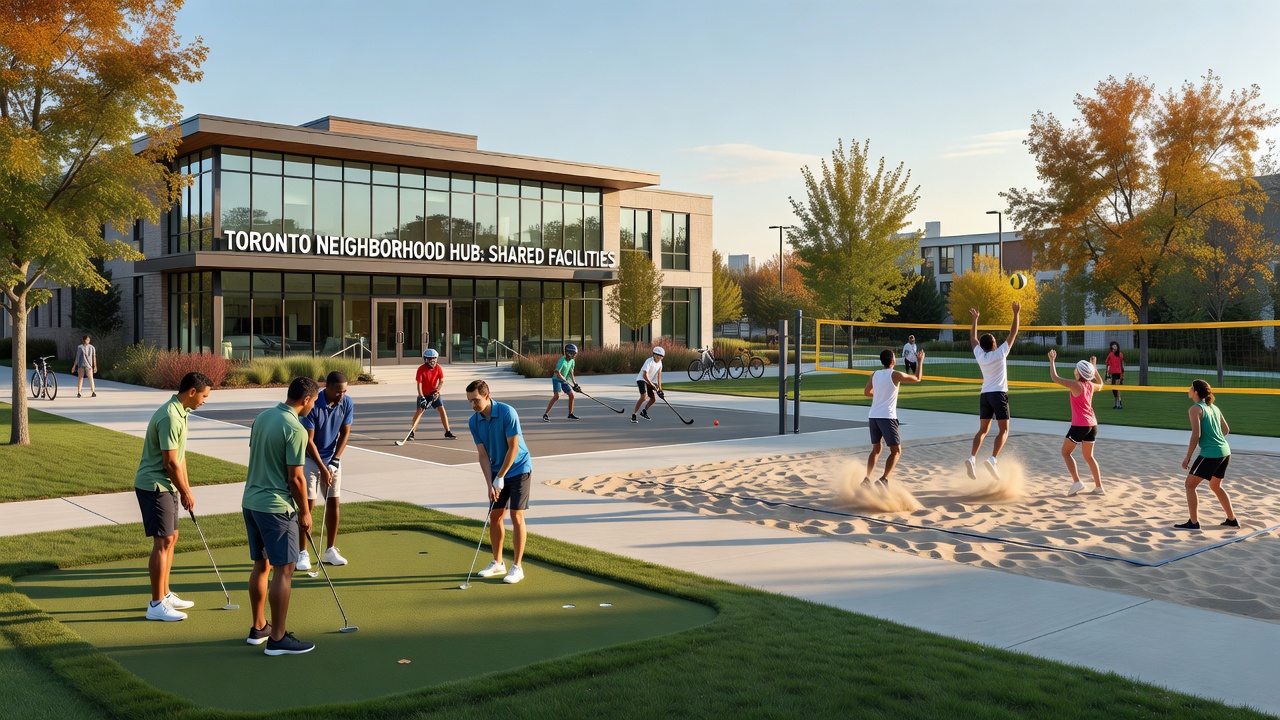
Coordinators adjust time blocks based on weather forecasts and maintenance needs, which keeps facilities operational even when unexpected delays occur. Data compiled by the Canadian Parks and Recreation Association highlights similar rotation models in other municipalities, yet Toronto's density of centers creates higher utilization rates per square meter than regional averages.
Equipment Sharing and Maintenance Protocols
Portable golf nets, volleyball posts, and hockey boards circulate among centers on scheduled rotation. Maintenance logs indicate that shared equipment undergoes inspection every 60 days to meet safety standards set by provincial recreation guidelines. Centers without dedicated storage rely on inter-site transfers coordinated through a central depot, which cuts procurement costs by an estimated 25 percent according to internal audits. Those transfers also allow newer facilities to access surplus items from older sites undergoing renovation.
Community Program Examples Across Districts
Etobicoke centers combine golf putting greens with volleyball leagues in adjacent multipurpose rooms during summer, then shift the same spaces for hockey skill development once rinks freeze. East York locations follow comparable patterns where morning sessions focus on individual golf instruction while evening blocks accommodate team volleyball. Observers note that these staggered timetables reduce idle time for venues and increase overall participation numbers reported to the city each quarter. August 2026 registration windows open early for athletes planning to combine summer golf with winter hockey at the same address, which streamlines planning for families managing multiple schedules.
Conclusion
Toronto's neighborhood centers demonstrate how modular infrastructure and centralized booking systems link golf, volleyball, and seasonal hockey without dedicated single-sport buildings. City records and operational data confirm consistent usage across districts, while equipment rotation and seasonal conversions maintain flexibility year-round. These models continue to evolve through adjustments tracked in municipal reports, supporting athlete access across changing conditions.