Toronto's Cross-Sport Pathways: How Public Facilities Link Winter Hockey with Year-Round Martial Arts and Team Training
Yves Neumann · Aug 19, 2026
Toronto's Cross-Sport Pathways: How Public Facilities Link Winter Hockey with Year-Round Martial Arts and Team Training
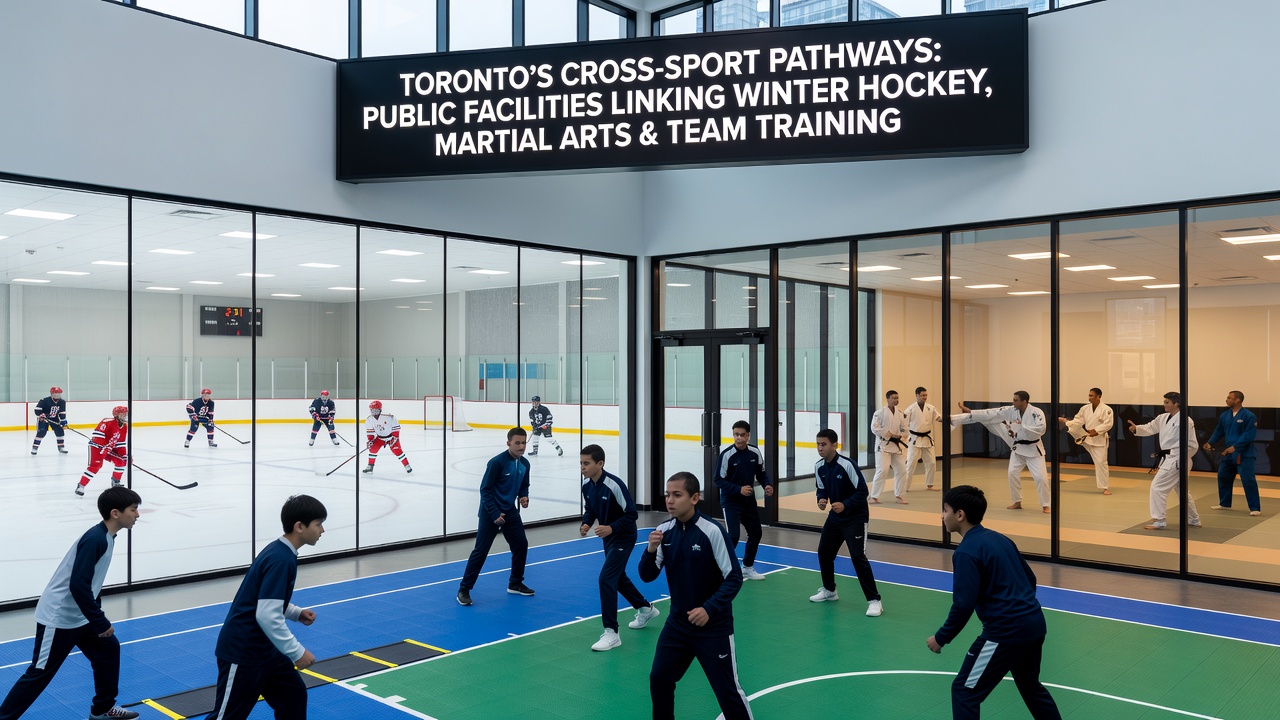
Toronto's network of public facilities supports structured transitions between winter hockey and continuous participation in martial arts along with team training, and city-operated community centers along with arenas provide the physical spaces that enable these pathways through seasonal conversions and shared programming schedules. Data from municipal recreation reports shows that over 40 arenas and multi-purpose halls operate under the City of Toronto's Parks, Forestry and Recreation division, with many locations shifting from ice surfaces in colder months to adaptable floors for combat sports and group drills once the season ends.
Facility Design and Seasonal Adaptations
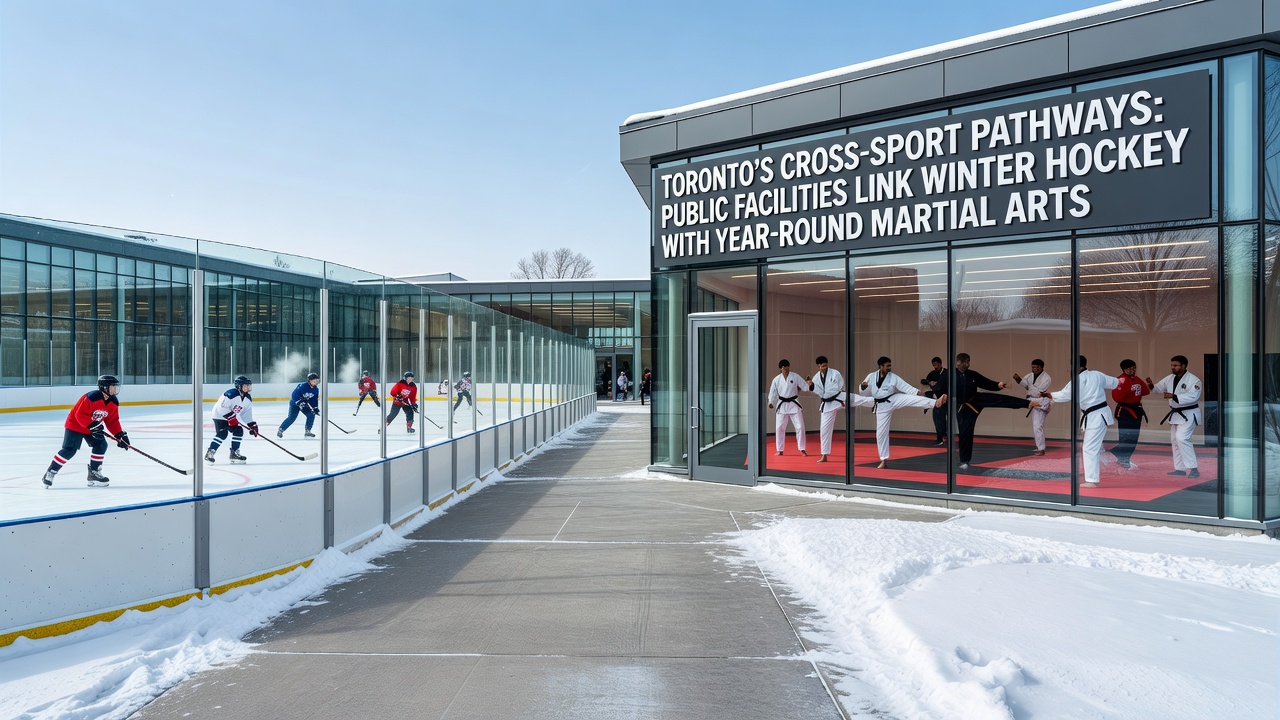
Public arenas in neighborhoods such as North York, Scarborough and Etobicoke feature removable ice systems that allow floor access for non-ice activities, while community centers maintain dedicated studios for martial arts instruction year-round; observers note that these dual-purpose designs reduce the need for separate buildings and instead create direct routes for athletes moving between sports. According to figures released by the City of Toronto, facility bookings for hockey drop after March while registrations for karate, judo and basketball programs rise steadily through spring and summer, creating measurable cross-sport enrollment patterns at the same addresses.
Pathways from Hockey to Martial Arts
Youth and adult hockey participants often continue at the same venues for martial arts classes that emphasize balance, footwork and discipline, skills that align with on-ice performance; program coordinators at facilities like the Scotiabank Pond and the Mattamy Athletic Centre schedule introductory sessions that introduce hockey players to striking arts and grappling during off-season months. Research compiled by the Canadian Fitness and Lifestyle Research Institute indicates that athletes who maintain consistent facility access across seasons show higher retention rates in physical activity programs, and Toronto's public system capitalizes on this pattern by offering bundled registration options that link winter ice time with spring and fall martial arts blocks.
Team Training Integration Across the Calendar
Team sports such as volleyball, soccer and basketball occupy gymnasiums and converted arenas during periods when hockey ice is unavailable, and public facility calendars demonstrate how groups rotate through the same buildings without requiring new memberships at private clubs. Those who study municipal sports data observe that August schedules frequently mark the start of fall team training cycles, with 2026 registrations opening early in the month to accommodate returning hockey players who seek indoor conditioning before ice installation resumes in October. This timing creates a continuous loop where athletes train in team environments through late summer, transition into martial arts skill sessions, and return to hockey once facilities complete their seasonal ice setups.
Program Structures and Registration Patterns
Multi-week courses at public centers combine elements from different sports into single schedules, and participants can move from hockey-specific conditioning in winter to martial arts technique classes that run alongside basketball leagues in other months. City records show that locations equipped with both ice pads and dedicated training rooms report the highest cross-enrollment numbers, while standalone ice rinks without adjacent gym space experience lower continuity rates among users. What's interesting is how August 2026 program guides list combined hockey-to-martial-arts pathways at more than a dozen community sites, reflecting an established pattern rather than isolated experiments.
Community Access and Resource Allocation
Public facilities prioritize equitable access through subsidized rates and priority booking for organized leagues, which allows pathways to remain open across income levels; government statistics from Statistics Canada on sports participation confirm that municipal infrastructure accounts for a significant share of organized activity in Canadian cities, and Toronto's model extends this approach by aligning hockey, martial arts and team training under one administrative umbrella. Observers note that shared equipment storage and coaching staff who work across disciplines further reduce barriers, enabling athletes to explore new sports without changing locations or incurring additional facility fees.
Conclusion
Toronto's public facilities establish clear connections between winter hockey and year-round martial arts along with team training by using adaptable spaces, coordinated schedules and consistent registration systems that operate at the same community sites throughout the calendar. These pathways rely on measurable booking data and seasonal facility conversions rather than isolated programs, and the pattern continues into August 2026 with new cycles opening at multiple locations across the city. The structure supports ongoing participation by keeping athletes within the municipal network as sports change with the seasons.