Seasonal Sport Crossovers in Urban Canada: From Soccer Pitches and Basketball Courts to Martial Arts Dojos
Otto Günther · Aug 22, 2026
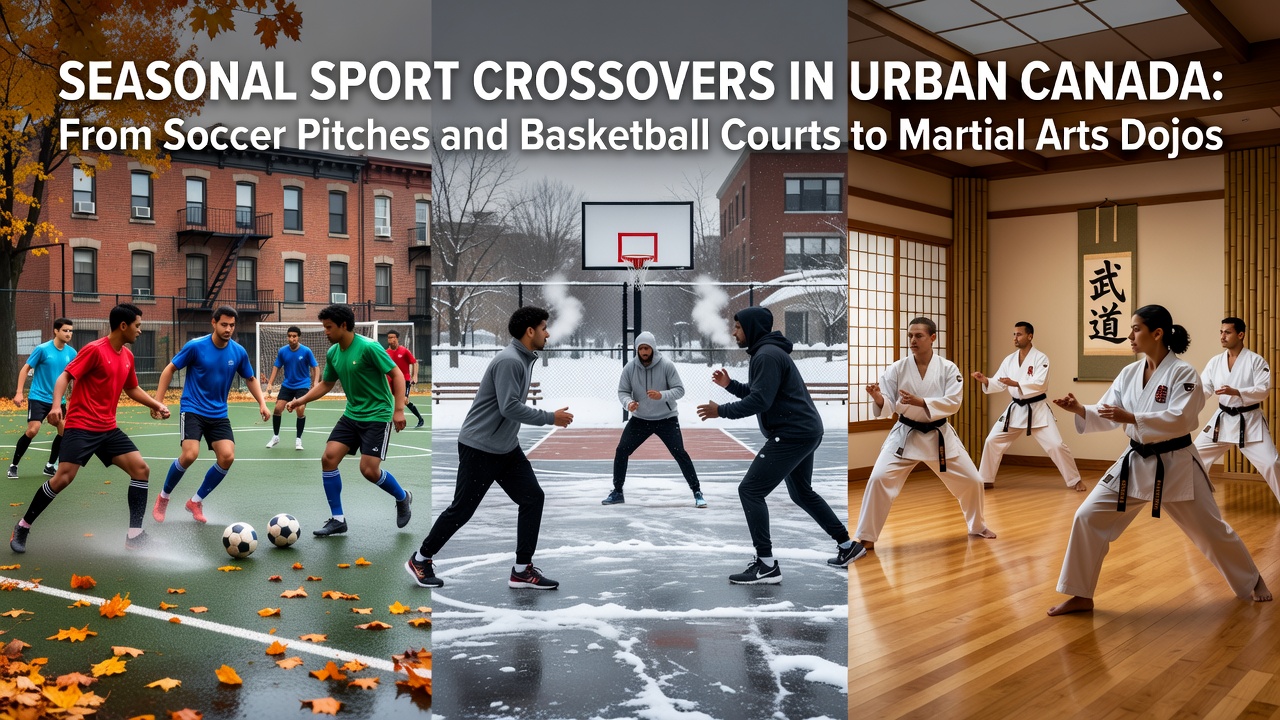
Seasonal Sport Crossovers in Urban Canada: From Soccer Pitches and Basketball Courts to Martial Arts Dojos
Urban centers across Canada experience clear shifts in recreational patterns as seasons change, with participants moving from outdoor soccer pitches and basketball courts in warmer months toward indoor martial arts dojos during colder periods. Cities such as Vancouver, Montreal, and Calgary maintain networks of public facilities that support these transitions, allowing athletes to maintain activity levels year-round without major disruptions to training routines.
Data from Sport Canada indicates that participation in team sports like soccer peaks between May and September, while enrollment in martial arts programs rises sharply from October through March. This pattern reflects weather constraints rather than preference alone, since average temperatures drop below freezing in most inland urban areas by late fall. Facilities often repurpose the same community centers, converting outdoor-adjacent spaces into training areas equipped for judo, karate, and Brazilian jiu-jitsu.
Facility Integration Across Seasons
Public recreation departments coordinate schedules so that summer fields convert into winter programming hubs, and observers note how multi-use permits allow clubs to secure consistent access. In Vancouver, for example, community centers near soccer fields offer martial arts classes in adjacent gymnasiums once daylight hours shorten. Montreal's boroughs follow similar models, where basketball courts indoors become available for striking arts and grappling sessions after outdoor permits expire in early October.
Researchers at the University of British Columbia have tracked these movements through longitudinal surveys, finding that roughly 28 percent of youth soccer participants aged 12 to 17 register for at least one martial arts discipline within the same calendar year. The crossover occurs most frequently among athletes seeking complementary skills in balance, footwork, and reaction time, areas that transfer directly between field sports and dojo training.
August 2026 Programming Shifts
As August 2026 arrives, summer leagues in major cities begin winding down while fall registration windows open for indoor activities. Municipal websites list deadlines around mid-August for martial arts introductory courses, aligning with the end of daylight-saving extensions and the start of school terms. This timing allows families to plan continuous participation rather than face gaps between seasons, and local operators report steady demand for programs that bridge the two environments through shared coaching staff.
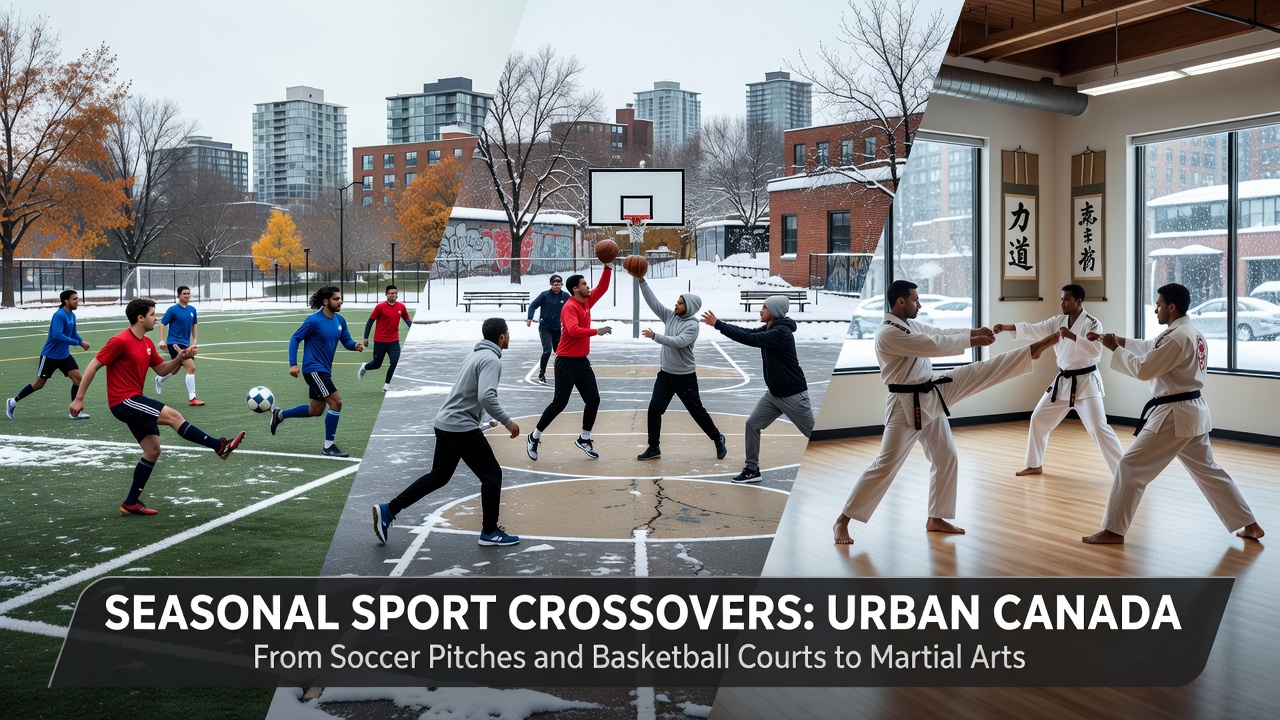
Skill Transfer and Training Continuity
Coaches describe how agility drills from basketball translate to evasive movement in martial arts, while soccer's emphasis on endurance supports longer sparring rounds. A 2024 report by Statistics Canada documented increased cardiovascular metrics among individuals who maintained activity across seasonal changes compared with those who paused training. The data shows measurable differences in weekly moderate-to-vigorous activity minutes when participants switch sports rather than stop entirely.
Community centers in Calgary and Edmonton operate joint programs where soccer coaches collaborate with martial arts instructors during transition weeks in late summer. These sessions introduce basic striking and blocking techniques on indoor mats while participants still hold active outdoor permits, reducing the adjustment period once winter weather arrives. Such partnerships rely on shared facility calendars managed by city recreation departments rather than private arrangements.
Regional Variations in Participation
Western Canadian cities tend to emphasize grappling styles such as judo and wrestling during winter months, partly because larger indoor mat spaces accommodate group classes more readily than striking-focused formats. Eastern centers including Halifax show higher enrollment in karate and taekwondo, reflecting established club networks that predate recent seasonal crossover trends. Across regions, however, the underlying driver remains consistent: limited outdoor access from November to March pushes athletes indoors.
Studies from the Australian Sports Commission on cross-training transferability have been referenced by Canadian program designers seeking evidence-based curriculum adjustments, though direct application requires adaptation to local climate data. Urban planners continue to map facility usage patterns to anticipate demand spikes, particularly around school breaks when families seek structured activities.
Conclusion
Seasonal sport crossovers in urban Canada operate through coordinated facility use, documented participation data, and established skill overlaps between outdoor team sports and indoor martial arts. As August 2026 registration periods approach, cities maintain these pathways to support uninterrupted physical activity despite changing weather conditions. The structure relies on public infrastructure rather than individual initiative alone, producing measurable continuity in training across seasons.